In This Article
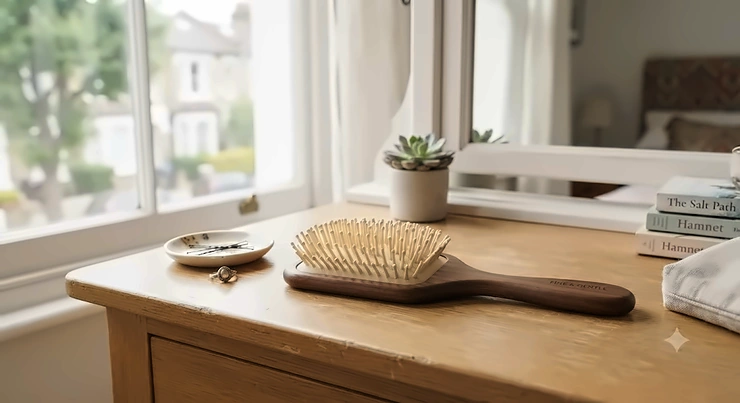
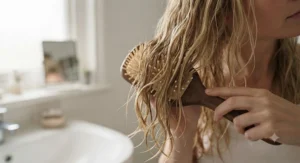
A hair brush for fine hair is a brush built with softer, more flexible bristles and a lighter head, designed to detangle delicate strands without snapping them or stripping volume from the roots. If you have ever watched a fistful of hair collect in your ordinary paddle brush and wondered whether that’s normal, it isn’t — and the brush is very likely part of the problem. Fine hair has a smaller diameter than medium or coarse hair, which means it has less structural strength to resist the tug of stiff bristles, tight rows, or a heavy handle. Swap the wrong tool for the right one, and a lot of people notice fewer strands on the pillow and a visible bump back in root volume within a few weeks.
This guide has done the legwork so you don’t have to squint at a hundred five-star reviews wondering which ones are genuine. We’ve researched seven real, currently available brushes across the budget, mid-range and premium tiers, compared their bristle construction, and pulled together what actual buyers report after weeks or months of daily use — not marketing copy dressed up as a review. Whether you’re chasing a gentle brush for fine thinning hair, a lightweight hair brush for delicate hair you can travel with, or simply want to understand what “bristle softness” even means on a product label, you’ll find a straight answer here, plus the comparison tools to make a confident choice on amazon.co.uk.
Quick Comparison Table
For readers short on time, here’s how the seven brushes stack up at a glance before we get into the detail.
| Brush | Bristle Type | Best For | Price Range |
|---|---|---|---|
| Denman D90L Tangle Tamer Ultra | Dual-length nylon, air-cushioned | Budget wet detangling | £10-£15 |
| WetBrush Original Detangler | IntelliFlex nylon | Shower-side use | £8-£14 |
| Ninabella Detangling Brush | Flexible nylon, ball-tip | Multi-texture households | Under £10 |
| Tangle Teezer The Original Fine & Fragile | Two-tiered soft-flex teeth | Colour-treated, thinning hair | £12-£16 |
| Tangle Teezer Easy Dry & Go Vented | Vented nylon | Blow-drying fine hair | £10-£14 |
| Kent Brushes Ladies Finest LG3 | Natural white boar bristle | Shine and scalp health | £18-£28 |
| Mason Pearson Pocket Bristle & Nylon | Boar and nylon mix | Long-term investment | £55-£85 |
Looking across the table, the split is fairly clean: the first three brushes solve the immediate, practical problem of wet-hair tangles on a tight budget, the two Tangle Teezer entries specialise in the specific mechanics of fine and thinning hair, and the Kent and Mason Pearson brushes trade a higher upfront price for natural bristle that’s built to last years rather than months. If you only read one row before buying, make it whichever matches your actual hair concern — breakage, styling, or shine — rather than the one with the flashiest packaging.
💬 Found a brush that fits your hair type already? Scroll down and see how it compares — every pick below gets the full breakdown.🤗
Top 7 Hair Brushes for Fine Hair: Expert Analysis
Every brush below has been chosen because it’s a real, currently listed product with a specific engineering reason it suits finer strands — not because it’s simply popular. We’ve grouped budget, mid-range and premium picks so there’s a sensible option whatever you’re working with.
1. Denman D90L Tangle Tamer Ultra — best budget detangler for wet fine hair
The clue is in the name: this paddle brush was built specifically to tame tangles without the yanking that leaves fine strands snapped at the root. Its dual-length nylon bristles are noticeably softer and more rounded at the tip than a standard vent brush, and they sit on an air-cushioned rubber pad that flexes to follow the curve of your scalp rather than digging into it.
In practice, that cushioned base is what stops the bristles gouging a sensitive scalp when you’re working through knots at speed — a real problem with rigid paddle brushes on thin hair. The wide-set bristle spacing also means the brush doesn’t grab more hair than it can comfortably release in one stroke, which is exactly the failure point that causes breakage on fine, easily knotted hair. It’s a sensible pick for anyone who wants one brush that copes with wet, freshly-washed hair and dry styling.
Reviewers consistently report that the D90L glides through tangles with far less resistance than a standard brush, and it’s accumulated a large, strongly positive review base on Amazon that specifically praises its performance on fine and thin hair without pulling. A recurring theme in user feedback is surprise at how comfortable it feels on a tender scalp compared with brushes they’ve previously used.
Pros:
- ✅ Dual-length nylon bristles reduce catch and drag
- ✅ Air-cushioned pad protects a sensitive scalp
- ✅ Doubles up well for wigs and extensions
Cons:
- ❌ Large paddle shape isn’t ideal for travel
- ❌ Nylon bristles won’t add the shine boar bristle can
At around £10-£15, the Denman D90L Tangle Tamer Ultra is one of the strongest value picks in this guide if detangling — rather than styling or shine — is your main frustration.
2. WetBrush Original Detangler — best for shower-side detangling
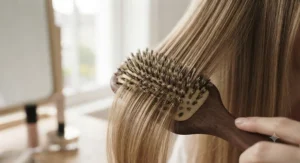
This brush earned its cult following for one reason: its IntelliFlex bristles are designed to bend rather than snap or grip when they meet resistance, which matters hugely on wet fine hair that’s at its weakest and most stretch-prone straight out of the shower.
The cluster-pattern bristle layout spreads brushing force across a wider surface area instead of concentrating it on a handful of strands, which is the mechanical reason it causes noticeably less mid-shaft breakage than a standard round brush on damp hair. The lightweight, ergonomic handle also means less wrist strain if you’re detangling long hair daily, and the compact head makes it easy to work in sections — a technique that matters more than the brush itself for fine hair, as we cover further down.
Aggregated customer feedback is unusually consistent for a mass-market brush: buyers repeatedly mention that it glides through knots with minimal tugging on curly, wavy and fine textures alike, and several long-term owners note theirs has lasted years of daily use before needing replacement, with bristle shedding as the eventual sign it’s due for retirement.
Pros:
- ✅ IntelliFlex bristles flex instead of pulling on knots
- ✅ Lightweight handle reduces wrist fatigue
- ✅ Performs well on both wet and dry hair
Cons:
- ❌ Compact head takes longer on very long hair
- ❌ Doesn’t add volume the way a vented brush can
Priced in the £8-£14 range, the WetBrush Original Detangler is arguably the best entry point if you’ve never tried a purpose-built detangling brush and want to see the difference before spending more.
3. Ninabella Detangling Hair Brush — best budget all-rounder
Marketed across curly, fine, thick and long hair types, this brush’s appeal for fine hair specifically comes down to its flexible nylon bristles with rounded ball tips, which glide across the scalp rather than scratching it — a small design detail that matters far more than the low price tag suggests.
The soft-touch handle and lightweight build make it genuinely comfortable for one-handed detangling sessions, and the bristle flex is generous enough to cope with knots without the “catch-then-release” snap that damages weaker strands. It’s not a specialist tool the way the two Tangle Teezer entries below are, but as a general-purpose gentle brush it punches well above its price point.
It has become one of the better-reviewed budget detanglers on Amazon’s bestseller listings for hairbrushes, with buyers commonly citing ease of use on children’s and adults’ fine hair alike, and describing it as noticeably gentler than the brush it replaced. As with any budget product, build consistency across bristle batches is the main area where premium brushes still have the edge.
Pros:
- ✅ Rounded ball-tip bristles are gentle on the scalp
- ✅ Works across wet and dry fine hair
- ✅ Genuinely low price for a purpose-built detangler
Cons:
- ❌ Bristles feel less substantial than pricier alternatives
- ❌ Handle grip can feel slippery with wet hands
At under £10, the Ninabella Detangling Hair Brush is a sound choice if you want to trial the detangling-brush category before committing to a bigger spend.
4. Tangle Teezer The Original Fine & Fragile — best for colour-treated, thinning hair
This is a brush engineered around one hair type: fine, fragile, colour-treated or thinning strands, which is exactly the audience most of this guide is written for. Its patented two-tiered teeth are noticeably softer and more flexible than the standard Tangle Teezer range, and the compact, handle-free palm design gives you far more tactile control over pressure than a long-handled brush allows.
That softer “soft-flex” tooth construction is the whole point: the shorter under-layer of teeth detangles close to the root while the longer top layer works through length, so you’re never forcing a single row of stiff bristles through a knot in one go. For anyone managing thinning hair, that reduced root tension is precisely what limits additional shedding during ordinary daily brushing, rather than treating the brush as neutral in that process.
Reviewer sentiment specifically praises the difference in comfort compared with the standard Tangle Teezer Original, with buyers who have thin or post-partum shedding hair noting less pulling at the scalp and less hair left in the brush afterwards. Some reviewers do note the smaller head means longer sessions on very long hair.
Pros:
- ✅ Two-tiered soft-flex teeth reduce root tension
- ✅ Compact palm design gives precise pressure control
- ✅ Purpose-designed for colour-treated and thinning hair
Cons:
- ❌ No handle, which some find less ergonomic
- ❌ Smaller head means more strokes on long hair
Typically priced around £12-£16, the Tangle Teezer The Original Fine & Fragile is our pick for anyone whose main concern is genuine hair thinning rather than simply fine texture.
5. Tangle Teezer Easy Dry & Go Vented Hairbrush — best lightweight brush for blow-drying
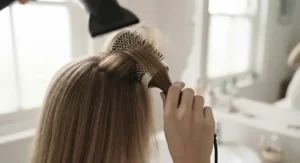
Where the previous pick focuses on detangling, this one is built for styling: a vented barrel-and-paddle hybrid designed specifically for fine to medium hair that needs volume and smoothness without excess heat exposure.
The open vent construction lets warm air pass directly through to the hair rather than trapping it against a solid pad, which in practice means less time under the dryer to achieve the same finish — a meaningful consideration given how much extra heat damage fine hair shows compared with thicker textures. The lightweight handle also keeps wrist fatigue down during a full blow-dry, something anyone who’s styled shoulder-length or longer fine hair will recognise as a genuine, not trivial, benefit.
User feedback highlights a visible reduction in static and flyaways when used correctly with a dryer, alongside praise for how much lighter it feels in the hand than a traditional round brush of comparable size. A minority of reviewers note the vented design isn’t intended for curl-shaping, which is a fair trade-off given its purpose.
Pros:
- ✅ Vented design cuts blow-dry time and heat exposure
- ✅ Lightweight handle reduces styling fatigue
- ✅ Built specifically for fine-to-medium hair volume
Cons:
- ❌ Not designed for defining curls
- ❌ Less detangling power than a dedicated wet brush
At roughly £10-£14, the Tangle Teezer Easy Dry & Go Vented Hairbrush is the sensible companion pick if styling and volume, not just detangling, are part of your routine.
6. Kent Brushes Ladies Finest LG3 — best natural bristle brush for shine
Kent has been making hairbrushes in England since the 18th century, and this beechwood, narrow-head brush uses pure white natural bristle specifically selected for fine hair rather than the firmer bristle grades used in Kent’s brushes for thicker textures.
Natural boar bristle works differently from nylon: instead of purely detangling, it distributes the scalp’s own natural oils (sebum) down the hair shaft, which is what gives natural-bristle brushing its reputation for adding shine and smoothing the cuticle over time, an effect nylon simply can’t replicate in the same way. On fine hair specifically, a softer bristle grade like this one matters because a firmer boar brush can feel scratchy or even generate static rather than smoothing it. The narrow head shape is also a deliberate choice for shorter to mid-length fine hair, where a wide paddle head would be unwieldy.
Reviewers consistently describe the LG3 as noticeably gentler on the scalp than they expected from a natural-bristle brush, and several long-term owners highlight visibly shinier hair within a few weeks of daily use, alongside praise for the handle’s balance and finish. As with any natural bristle brush, a small number of reviewers note it detangles less aggressively than a nylon paddle brush, which is by design rather than a flaw.
Pros:
- ✅ Pure white bristle graded specifically for fine hair
- ✅ Distributes natural oils for genuine shine over time
- ✅ Hand-finished beechwood construction built to last
Cons:
- ❌ Detangles more gently, so slower on tough knots
- ❌ Higher price than synthetic bristle alternatives
Sitting in the £18-£28 range, the Kent Brushes Ladies Finest LG3 rewards patience: it’s less about instant detangling and more about the condition of your hair weeks down the line.
7. Mason Pearson Pocket Bristle & Nylon (BN4) — best premium investment brush
Handmade in England since 1885, this is the brush that hairdressers themselves tend to own, and the pocket size specifically suits fine to normal hair where a smaller, five-ring tuft pattern gives a gentler, more controlled brushing action than the brand’s larger styling brushes.
Its signature feature is the patented pneumatic rubber cushion, which flexes to follow the exact contour of your scalp as you brush rather than pressing bristles in at a fixed angle — a genuinely different sensation from any other brush in this guide, and the mechanical reason it’s often recommended for sensitive scalps. The boar-and-nylon bristle mix combines the natural-oil distribution of boar with just enough nylon to add practical detangling strength, which is a meaningful advantage over pure boar bristle brushes on hair that also tangles easily.
Independent beauty editors and long-term owners consistently describe the scalp-massage sensation as noticeably different from cheaper brushes, along with reports of visibly smoother, shinier hair and reduced flaking on dry scalps with regular use; several reviewers note theirs has lasted decades with basic care. The trade-off, unavoidably, is the price, which sits well above every other pick here.
Pros:
- ✅ Pneumatic cushion moulds gently to the scalp
- ✅ Boar-nylon mix balances shine with real detangling power
- ✅ Handmade construction built to last many years
Cons:
- ❌ Significantly pricier than every other pick here
- ❌ Cleaning brush not included with the pocket size
At around £55-£85, the Mason Pearson Pocket Bristle & Nylon (BN4) is a genuine buy-it-for-life purchase rather than an impulse pick, and it’s priced accordingly.
Practical Usage Guide: Getting the Most From Your New Brush
Buying the right brush solves half the problem; using it correctly solves the rest. Start by brushing only dry-ish, towel-blotted hair if you’ve just come out of the shower — fine hair is at its most fragile when saturated, so a wide-tooth comb first, followed by your detangling brush once hair is damp rather than dripping, cuts breakage significantly.
For the first 30 days, resist the urge to brush from root to tip in one stroke. Instead, hold the hair section a few centimetres above where you’re brushing (this takes tension off the root) and work upward from the ends in small sections, gradually moving higher as each section clears. This single habit change is one of the most common fixes recommended for anyone dealing with excessive shedding during brushing.
Maintenance matters more than most people assume. Clear loose hair from the bristles every few days rather than letting it build up, since a clogged brush loses grip and starts dragging rather than gliding. Wash nylon and rubber-cushioned brushes monthly in warm water with a drop of shampoo, and let natural bristle brushes like the Kent Brushes Ladies Finest LG3 air-dry bristle-side down to protect the wood base. A build-up of product residue is the single most common reason a once-gentle brush starts to feel scratchy again.
Real-World Scenarios: Matching the Brush to Your Life
If you’re managing postpartum or menopause-related thinning and brushing itself has started to feel stressful, the Tangle Teezer The Original Fine & Fragile is worth prioritising: its soft-flex teeth and root-tension control are specifically aimed at reducing the shedding that ordinary brushing can add on top of hormonal hair loss.
If you’re a student or commuter who washes hair every morning and needs to detangle and blow-dry inside fifteen minutes before leaving the house, pairing the WetBrush Original Detangler for the shower with the Tangle Teezer Easy Dry & Go Vented Hairbrush for styling covers both ends of that routine without adding real cost.
If you’ve decided to invest properly in fine hair because you brush daily and expect to keep the same brush for years, the Mason Pearson Pocket Bristle & Nylon or the Kent Brushes Ladies Finest LG3 both make more financial sense long-term than replacing a £10 brush every few months once bristles start splaying and losing their gentleness.
Solving Common Fine-Hair Brushing Problems
Problem: hair snaps mid-shaft during detangling. This is almost always caused by brushing top-down through a full knot rather than working upward from the ends. Switch technique before switching brushes, then pair it with a soft-flex brush like the Tangle Teezer The Original Fine & Fragile for extra insurance.
Problem: static and flyaways after brushing. Nylon bristles generate more static on dry fine hair than natural bristle does. If this is a recurring issue, the Kent Brushes Ladies Finest LG3‘s natural bristle, or a light mist of leave-in product before brushing with a nylon brush, both reduce the effect.
Problem: flat roots despite regular brushing. A too-soft or too-flexible brush can lay hair down rather than lifting it. The vented, slightly firmer bristles of the Tangle Teezer Easy Dry & Go Vented Hairbrush used at the root during blow-drying tends to solve this without switching to a harsher brush.
Problem: visible shedding increasing over recent weeks. This is a case where the NHS’s guidance on hair loss is worth reading before assuming it’s purely a brushing issue — sudden increases in shedding can have medical causes worth ruling out with a GP, separate from brush choice.
✨ Still not sure which fix applies to you?
🔍 Compare your symptoms against the scenarios above, then jump back to the product picks that solve your specific problem — most fine-hair frustrations trace back to just one or two root causes.
How to Choose a Hair Brush for Fine Hair
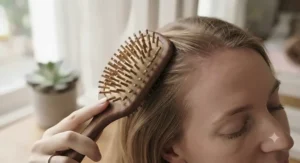
Choosing the right brush comes down to seven practical checks, each grounded in how fine hair actually behaves rather than marketing claims.
- Check the bristle material first. Nylon detangles more aggressively; natural boar bristle adds shine gradually. Fine hair usually benefits from softer grades of either.
- Look for a cushioned or flexible base. A rigid pad transfers more pressure directly to the scalp, which fine-haired, often more sensitive scalps feel more acutely.
- Weigh the handle before buying. A lightweight handle matters more than it sounds for anyone brushing or blow-drying daily, especially over shoulder-length hair.
- Match bristle spacing to your main problem. Wide-set bristles suit detangling; densely packed bristles suit smoothing and shine.
- Consider whether you need wet-hair capability. Not every brush is rated safe for wet hair, and using the wrong one on saturated fine hair significantly raises breakage risk.
- Factor in genuine longevity, not just upfront price. A £60 brush that lasts a decade can be cheaper per year than replacing a £10 brush every few months.
- Read aggregated review themes, not star ratings alone. A 4.7-star average hides nothing about whether reviewers specifically mention fine or thinning hair — search the reviews for your hair type by name.
Bristle Softness Explained: What the Numbers Actually Mean
Bristle softness isn’t formally standardised across brands, which is part of why two brushes both labelled “soft” can feel completely different in hand. In practice, softness comes down to three physical factors: the diameter of each individual bristle, the material it’s made from, and how flexible its tip is under pressure.
Nylon bristles, like those on the Denman D90L Tangle Tamer Ultra and WetBrush Original Detangler, achieve softness through tip design — rounded, ball-ended tips distribute pressure across a wider contact point than a flat-cut tip, which is why two nylon brushes with similar-looking bristles can feel very different against the scalp. Natural boar bristle, as used on the Kent Brushes Ladies Finest LG3 and blended into the Mason Pearson Pocket Bristle & Nylon, is graded by the animal-hair supplier before manufacture, with finer, lower-diameter bristle reserved specifically for “fine hair” product lines rather than the coarser grades used in men’s grooming brushes.
What most buyers overlook is that softer isn’t automatically better for every task. A brush soft enough to feel gentle on the scalp may not have enough structure to genuinely detangle a stubborn knot, which is exactly why the two-tiered design on the Tangle Teezer The Original Fine & Fragile exists — softer teeth near the root, firmer teeth further down the shaft, solving both problems in one brush rather than compromising on either.
Gentle Detangling for Thinning Hair: A Step-by-Step Technique
For anyone managing visibly thinning hair, technique reduces shedding-during-brushing far more than brush choice alone, though the two work best together.
Start with the ends. Hold roughly two inches of hair between two fingers just above where you’re brushing, which takes tension off the root entirely, then brush only the small section below your fingers until it’s smooth. Move your fingers up an inch and repeat, working gradually toward the scalp. Never start a stroke at the root on tangled hair — that’s the single most common cause of avoidable breakage in fine, thinning hair.
Once the whole section is smooth, a final single pass from root to tip with a soft-flex brush like the Tangle Teezer The Original Fine & Fragile finishes the style without reintroducing tension. If you’re brushing wet hair, always use a brush rated for wet use, such as the WetBrush Original Detangler, since a dry-hair brush dragged through saturated fine hair causes disproportionately more breakage than the same brush on dry strands.
Hair Brush for Fine Hair vs Boar Bristle Brush for Thick Hair
| Factor | Fine-Hair Brush | Thick-Hair Boar Brush |
|---|---|---|
| Bristle firmness | Soft to medium, flexible tips | Firmer, denser bristle grade |
| Main strength | Gentle detangling, low breakage | Deep shine, heavy-hair control |
| Scalp feel | Cushioned, low pressure | Firmer scalp stimulation |
| Best For | Tangle Teezer Fine & Fragile, Kent LG3 | Standard boar paddle brushes |
| Risk if mismatched | Feels flimsy on very thick hair | Scratchy, tugs on fine strands |
The core difference is bristle density and firmness rather than brush shape. A thick-hair boar brush is built with a higher bristle count per row specifically so it can push through a larger volume of hair per stroke, but that same density concentrates far more pressure onto individual fine strands, which is why it tends to feel scratchy or even painful when used on thinner hair. Fine-hair brushes trade some of that raw detangling power for a lighter touch, which is the correct trade-off for a hair type with less structural strength to spare. If you’re unsure which category your hair actually falls into, err toward the softer option — going too firm causes damage far faster than going too soft causes frustration.
Common Mistakes When Buying a Hair Brush for Fine Hair
The most frequent mistake is buying based on brand recognition rather than bristle grade — plenty of well-known brands sell both fine-hair and thick-hair versions of the same brush shape, and picking the wrong one defeats the purpose entirely. A close second is assuming a cheap brush can’t be gentle; several budget picks in this guide, including the Denman D90L Tangle Tamer Ultra and Ninabella Detangling Hair Brush, outperform pricier brushes specifically because their bristle design, not their price tag, suits fine hair.
Another common error is buying a single brush to cover both wet detangling and dry styling. These are genuinely different jobs — wet hair needs flexible, wet-rated bristles like those on the WetBrush Original Detangler, while dry styling benefits from a vented brush like the Tangle Teezer Easy Dry & Go Vented Hairbrush that manages airflow during a blow-dry. Trying to make one brush do both usually means it does neither particularly well.
Finally, many buyers ignore handle weight entirely, only to find daily use uncomfortable within a few weeks. If you brush or style your hair every day, a lightweight hair brush for delicate hair users genuinely reduces wrist strain over months of repeated use, which is worth testing in-hand or checking specifically in reviews before buying.
Long-Term Cost & Maintenance
Judged purely on upfront price, the budget picks in this guide win easily. Judged on cost per year of use, the picture shifts. A £10 nylon detangling brush typically shows bristle splaying or fraying within six to twelve months of daily use, at which point its gentleness — the entire reason to buy it for fine hair — starts to degrade. Replacing it twice a year works out to roughly £20 annually.
By contrast, natural bristle brushes like the Kent Brushes Ladies Finest LG3 are built around a solid wood base and hand-set bristle that typically holds its shape for several years with basic care, while the Mason Pearson Pocket Bristle & Nylon is explicitly designed and marketed as a decades-long purchase, with many long-term owners reporting theirs still performing well after ten or more years. Amortised over that lifespan, the higher upfront cost of both brushes compares favourably with repeatedly replacing a budget brush.
Maintenance cost is minimal either way — a drop of shampoo and warm water every few weeks — but natural bristle brushes do require slightly more care around moisture exposure to protect the wooden base, whereas nylon and rubber-cushioned brushes tolerate more casual handling.
Soft Bristle vs Synthetic: Features That Actually Matter
Ignore marketing language like “ultra-gentle” or “salon-grade” on its own; neither term is regulated, and both appear on brushes with wildly different actual bristle grades. What genuinely matters is whether the listing specifies the bristle material (nylon, boar, or a blend), the tip shape (rounded versus flat-cut), and whether the base is cushioned or rigid — all three directly affect how the brush feels on fine hair, and all three are usually stated somewhere in the product description if you look past the headline claims.
Vented construction matters specifically for styling brushes like the Tangle Teezer Easy Dry & Go Vented Hairbrush, since it affects drying time and heat exposure, but is largely irrelevant on a pure detangling brush like the WetBrush Original Detangler, where it wouldn’t serve a purpose. Similarly, “anti-static” claims are worth taking seriously on natural bristle brushes, where the effect is a genuine byproduct of oil distribution, but are less meaningful on nylon brushes, where static reduction depends more on ambient humidity than bristle design.
Safety and Scalp Health Considerations
Brushing itself is safe for essentially everyone, but a few sensible precautions matter more for fine or thinning hair specifically. Avoid sharing brushes where possible, since bristles can transfer scalp build-up and, in rare cases, contribute to scalp irritation between users. Replace any brush once bristles are visibly splayed, bent, or missing their rounded tips, since damaged bristles lose the gentle-tip design that made them suitable for fine hair in the first place and can start scratching the scalp instead.
If you notice hair loss that seems disproportionate to normal shedding — clumps rather than strands, or thinning that’s accelerating rather than stable — this is worth discussing with a GP or dermatologist rather than assuming a different brush will resolve it. The British Association of Dermatologists’ patient information hub is a genuinely useful, evidence-based starting point for understanding when hair thinning warrants a medical opinion rather than a shopping decision. For context on why natural bristle brushing has a long-standing reputation for hair condition, the way boar bristle distributes the scalp’s sebaceous oils along the hair shaft is well documented, though it works gradually rather than as an instant fix.
FAQ
❓ What's the best type of brush for very fine hair?
❓ Does brushing fine hair cause more shedding?
❓ Can a hairbrush help thinning hair look fuller?
❓ Is boar bristle or nylon better for fine hair?
❓ How often should I replace a hair brush for fine hair?
Conclusion
Fine hair isn’t fragile because something’s wrong with it — it’s simply a different structure that responds badly to tools built for thicker textures. Across the seven brushes in this guide, the common thread isn’t price; it’s bristle design, cushioning, and whether the brush was actually engineered with finer strands in mind. Budget picks like the Denman D90L Tangle Tamer Ultra and WetBrush Original Detangler prove that gentle detangling doesn’t require a big spend, while purpose-built options like the Tangle Teezer The Original Fine & Fragile solve the specific mechanics of thinning hair, and premium natural-bristle brushes like the Kent Brushes Ladies Finest LG3 and Mason Pearson Pocket Bristle & Nylon reward a longer-term investment with genuine shine and durability.
Whichever you choose, pairing the right brush with the section-by-section, root-tension-free technique covered earlier will do more for visible breakage than any single product change alone. Start with whichever pick matches your main frustration — detangling, styling, or long-term hair condition — and build from there.
✨ Ready to make the switch?
🔍 Check current pricing and availability on any of the brushes above, and give your fine hair the gentler tool it’s been asking for.
Recommended for You
- Scalp Massage Brush for Hair Growth: 7 Best Picks (2026)
- Wet Brush for Curly Hair: 7 Best Picks for Pain-Free Curls (2026)
- Boar Bristle Brush: 7 Best Picks (Fine ; Oily Hair)
Disclaimer: This article contains affiliate links. As an Amazon Associate, I earn from qualifying purchases. If you purchase products through these links, we may earn a small commission at no additional cost to you.
✨ Found this helpful? Share it with your friends! 💬🤗
