
In This Article
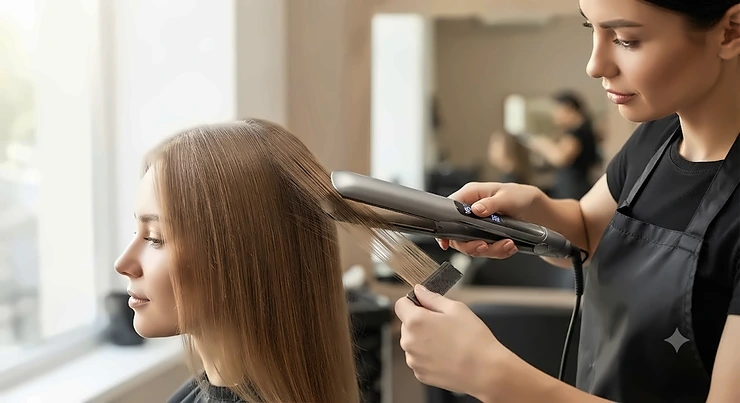
There’s a particular kind of despair that comes from stepping out of the shower, catching sight of your reflection, and realising your hair has decided to reenact a static electricity experiment. If you’ve ever stood in front of the mirror wrestling a flat iron that either scorches your ends or simply refuses to grip a stubborn kink, you already know why the hunt for the best hair straighteners feels less like shopping and more like a quest. The right straightener isn’t just about looking sleek for date night — it’s the difference between healthy, glossy lengths and a slow-motion breakage crisis you won’t notice until six months down the line.
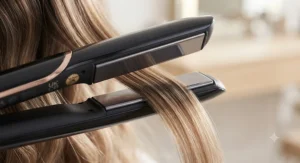
So what is a hair straightener, really, beyond the box on the shelf? At its core, it’s a heated styling tool with two opposing plates — usually ceramic, tourmaline, or titanium-coated — that clamp sections of hair between them, using heat and pressure to smooth the cuticle and remove natural curl or frizz for a straight, glassy finish. That’s the 40-second version, but the details matter enormously, because not all plates, temperatures, or technologies are created equal, and the wrong choice can genuinely damage your hair over time.
This guide is built on real product research rather than recycled marketing copy. We’ve dug into verified specifications, aggregated customer sentiment from retailers and independent reviewers, and comparative testing data from consumer bodies such as Which?, which independently tests straighteners costing from £25 up to £400 and examines straightened hair under a microscope to check for signs of damage. We’re not going to pretend we’ve personally tested every unit in a salon somewhere; instead, we’ve synthesised what real reviewers, real spec sheets, and real safety bodies say, so you can make an informed decision rather than a guess.
Below you’ll find seven genuinely available straighteners across every price bracket, honest analysis of flat iron plates and adjustable temperature straightener technology, a proper hair straighteners buying guide, and a look at what actually separates a keratin-safe straightener from one that just claims to be. Affiliate disclosure: this article contains Amazon affiliate links, and we may earn a small commission on qualifying purchases at no extra cost to you.
Quick Comparison Table
| Straightener | Plate Type | Temperature Range | Best For | Price Range |
|---|---|---|---|---|
| Remington Ceramic Straight 230 (S3500) | Ceramic | Up to 230°C | Tightest budgets | Under £30 |
| Revamp Progloss Touch Digital | Ceramic, oil-infused | 80°C–235°C | Curly hair on a budget | Around £50-£70 |
| Remington Keratin Protect Intelligent (S8598) | Ceramic + keratin/almond oil | 160°C–230°C | Keratin-safe styling | £90-£120 range |
| BaByliss Smooth Pro 235 (2393U) | Nano-ceramic | 140°C–235°C | Adjustable everyday use | £70-£90 range |
| Cloud Nine The Wide Iron | Mineral-infused ceramic | 100°C–200°C | Thick or damaged hair | £140-£170 range |
| ghd Platinum+ | Ceramic, ultra-zone | Fixed ~185°C | All-round damage control | £220-£240 range |
| Dyson Corrale | Flexing manganese-copper alloy | 165°C/185°C/210°C | Cordless, lowest-heat styling | £380-£400 range |
Looking at the spread above, there’s a clear pattern: price climbs roughly in step with how intelligently the straightener manages heat, not simply how hot it can get. The Remington S3500 and Revamp Progloss compete on accessibility and flexibility, while the Cloud Nine, ghd, and Dyson models justify their premiums through genuinely different heat-delivery engineering rather than just branding. If your hair is fine or already compromised by colour treatments, the mid-to-premium tier’s adjustable or moisture-sensing tech is where you’ll see the real payoff, whereas thicker, more resilient hair can often get away with a well-built budget model.
💬 Just one click — help others make better buying decisions too!😊
Top 7 Best Hair Straighteners: Expert Analysis
1. Remington Ceramic Straight 230 (S3500) — best for tightest budgets
If you’ve ever needed a straightener at short notice without wanting to remortgage the house, the S3500 is the one people quietly recommend. It opens the range at under £30, and that’s not a typo.
Under the hood, you’re getting 110mm ceramic-coated plates with anti-static, tourmaline-ionic properties, a genuinely quick 15-second heat-up to 230°C, and — a little unusually — 30 incremental temperature settings via a manual dial rather than five or six preset digital steps. In practice, that dial is more granular than useful; most reviewers land on roughly the same three or four spots they’d use on any straightener, so treat the extra numbers as marketing padding rather than a meaningful feature. What does matter is the floating plate design, which helps the iron maintain even pressure across a section of hair rather than crushing one side more than the other.
This is squarely a straightener for occasional stylers, students, or anyone building a first hair kit rather than daily heat-styling on thick or chemically treated hair. Reviewers with fine to medium hair report smooth, glossy results in a single pass, though several note the narrow 110mm plates mean more passes — and therefore more cumulative heat exposure — if your hair is dense or very long. Customer feedback across multiple platforms consistently rates the S3500 highly for budget-conscious buyers seeking professional-style results without premium pricing, though some users note occasional heating inconsistencies after extended use, and the ceramic coating’s durability is generally reported to hold up reasonably well for a year or two of light use before performance starts to taper off.
Pros:
- ✅ Genuinely fast 15-second heat-up to 230°C
- ✅ Floating plates give even, no-snag glide on fine hair
- ✅ Worldwide voltage makes it a solid travel backup
Cons:
- ❌ No digital display or intelligent heat sensing
- ❌ Narrow plates mean more passes on thick hair
At this price point, think of the S3500 as the honest, no-frills workhorse of the group — you’re paying for function, not finesse, and for a lot of hair types that’s a perfectly reasonable trade.
2. Revamp Progloss Touch Digital Ceramic Straightener — best for curly hair on a budget
The Progloss Touch Digital sits in that increasingly crowded middle ground where a straightener tries to punch above its price by borrowing tech usually reserved for premium tools — and largely succeeds.
Its headline feature is a genuinely wide 80°C–235°C digital range with colour-coded touch controls (yellow for fine, orange for medium, red for thick hair), so you’re not eyeballing a dial and hoping for the best. The ceramic ionic plates are infused with keratin, argan, and coconut oil — Revamp’s “Progloss” formula — which theoretically deposits a light conditioning layer as you style, though as with any oil-infused plate claim, treat this as a nice-to-have rather than a substitute for proper heat protectant. What genuinely sets it apart from similarly priced rivals is the low-temperature range down to 80°C, aimed at synthetic hair extensions and wigs, which is a thoughtful inclusion most budget straighteners skip entirely.
One independent reviewer who tested it on fine-textured curly hair found they could confidently recommend it for a versatile, well-built straightener suitable for any hair type, noting the results held up well even on second-day hair. It’s a strong pick specifically for curlier or coarser textures because the higher ceiling of 235°C gives you the headroom that many entry-level straighteners simply don’t offer, while the lower settings protect finer sections at the hairline. The trade-off, as with most keratin-oil-infused plates, is that reviewers occasionally mention a faint crackling sound on startup — cosmetic rather than dangerous, but worth knowing about in advance.
Pros:
- ✅ Wide 80–235°C range beats most rivals at this price
- ✅ Colour-coded hair-type presets remove guesswork
- ✅ Oil-infused plates add noticeable shine on curly hair
Cons:
- ❌ Occasional crackling noise reported on startup
- ❌ May need multiple passes on very coarse sections
For anyone who’s outgrown a basic budget iron but isn’t ready to spend three figures, this is one of the more genuinely useful lesser-known alternatives on the UK market.
3. Remington Keratin Protect Intelligent (S8598) — best keratin-safe straightener
This is the model to reach for if “keratin-safe” is the phrase that brought you to this article in the first place, and it’s worth explaining why the branding here is more substantive than most.
The S8598 uses a patented heat protection sensor that reads your hair’s moisture level roughly eight times per second and adjusts the plate temperature in real time, rather than blasting a fixed heat regardless of hair condition. Remington’s own data claims this delivers three times more protection from damage and breakage compared with the same straightener running with the sensor turned off — a specific, testable claim rather than vague “healthier hair” language, which is refreshing in a category prone to overstatement. The 11cm ceramic-coated plates are additionally infused with keratin and almond oil, five digital temperature settings run from 160°C to 230°C, and heat-up takes a swift 15 seconds.
Practically speaking, this is the straightener for anyone who colours, bleaches, or chemically treats their hair and is anxious about compounding that damage with daily heat styling. The moisture-sensing element genuinely differentiates this from a straightener that simply lets you dial down the temperature manually, because it’s reacting to your actual hair condition section by section rather than applying a blanket setting for the whole head. Aggregated reviews across eBay, Remington’s own site, and third-party retailers are strikingly consistent: reviewers with thick, frizzy hair specifically praise it for straightening in one pass without snagging while leaving a noticeable shine, and several longtime GHD owners report switching over and being pleasantly surprised.
Pros:
- ✅ Real-time moisture sensor adapts heat per section
- ✅ Keratin and almond oil-infused plates for shine
- ✅ Comes with heat-resistant pouch and 5-year guarantee
Cons:
- ❌ Fixed five-setting scale, less granular than rivals
- ❌ Some users report the plates run hot on the casing
If protecting compromised or colour-treated hair is your priority over sheer speed, the S8598’s sensor technology earns its “intelligent” label rather than just wearing it as a marketing badge.
4. BaByliss Smooth Pro 235 (2393U) — best adjustable temperature straightener for everyday use
The Smooth Pro occupies the sweet spot between “cheap and cheerful” and “premium investment,” and its main selling point is refreshingly simple: proper, usable adjustability without unnecessary complication.
Six digital heat settings span 140°C to 235°C, controlled via clearly labelled buttons rather than a vague dial, and the nano-ceramic plates are paired with ionic technology designed to neutralise the static charge that causes flyaways and frizz. BaByliss recommends the lower settings for fine or colour-treated hair and the higher end for thicker, coarser hair that needs more sustained heat to hold a style, which is exactly the kind of granular control that separates a genuinely adjustable temperature straightener from one that just claims the feature on the box. An automatic shut-off after roughly an hour of inactivity adds a sensible safety net for anyone prone to dashing out of the door mid-morning routine.
Where this model shines is versatility across a household: if you and a partner or housemate have different hair types, the 95°C spread between lowest and highest setting means you’re not fighting one fixed temperature that suits nobody perfectly. Argos’s aggregated customer summary describes it as offering fast heat-up, smooth glide, and multiple heat settings with good results across various hair types, while flagging that some users find the handle slightly slippery and prone to accidental button presses. It’s a legitimate niggle rather than a dealbreaker, but worth knowing if you tend to grip styling tools loosely.
Pros:
- ✅ Six clearly labelled digital settings, 140–235°C
- ✅ Nano-ceramic plates with genuine ionic anti-frizz tech
- ✅ Comes with heat mat and a 2-year guarantee
Cons:
- ❌ Handle can feel slippery for some grip styles
- ❌ Not dual voltage, so no international travel use
For anyone shopping specifically because “adjustable temperature straightener” is on their checklist, this is the most balanced, fairly priced option in this line-up.
5. Cloud Nine The Wide Iron — best for thick or damaged hair on a budget-conscious premium
Cloud Nine was founded by one of the original engineers behind ghd, and The Wide Iron is arguably where that heritage shows most clearly: wide plates built specifically to reduce the number of passes needed on thick, curly, or damage-prone hair.
The plates run 100°C to 200°C in adjustable increments — noticeably lower ceiling than most rivals, and that’s deliberate. Independent testing found the iron reaches 100°C in around 10 seconds and hits its full 200°C in under 30 seconds, with heat distributed evenly across the wider-than-average plate surface. That evenness matters more than raw maximum temperature: a straightener that heats unevenly forces you to compensate with slower strokes or repeated passes, both of which increase cumulative heat exposure regardless of what the dial says. The mineral-infused ceramic coating is designed to lock in moisture rather than strip it, which is the philosophy behind capping the range at 200°C instead of the 230°C-plus you’ll see elsewhere.
One long-term reviewer with naturally curly, coarse, and generally unruly hair described the results as brilliant, rarely needing to go above 170°C even for demanding styling sessions, which is a meaningful data point: if a genuinely difficult hair type can be tamed comfortably at the low-to-mid end of this range, that’s a strong signal the plate design and pressure distribution are doing real work rather than relying on brute heat. The trade-off for that wider plate is reduced precision on very short hair, fringes, or fine detailing — Cloud Nine themselves suggest their narrower Micro Iron for that use case instead.
Pros:
- ✅ Wide plates cut styling time on thick, curly hair
- ✅ Genuinely even heat distribution, tested independently
- ✅ Lower 200°C ceiling reduces cumulative heat damage
Cons:
- ❌ Bulkier, less precise on short hair or fringes
- ❌ No cordless option, unlike some premium rivals
If your hair is thick, curly, or already a bit fragile from previous over-styling, this is arguably the most thoughtfully engineered straightener in the whole line-up for damage reduction specifically.
6. ghd Platinum+ — best all-round straightener for damaged hair
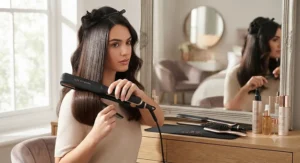
Few brands carry the same instant recognition in UK hair care as ghd, and the Platinum+ is the model most consistently singled out when people ask specifically about styling damaged or colour-treated hair without making things worse.
The core technology here is “ultra-zone,” which monitors plate heat 250 times per second and holds a fixed optimal temperature of around 185°C across the entire plate surface rather than letting hot spots develop. ghd’s own data claims this delivers 70% stronger hair, 75% more shine, and twice the colour protection compared with styling on naturally dried hair — bold figures, and as with any brand-supplied statistic, worth treating as directional rather than gospel, but the underlying mechanism (consistent, capped heat rather than variable hot-spotting) is sound engineering regardless of the exact percentages. The predictive element goes further still: the styler is designed to recognise hair thickness, section size, and styling speed, then adjust power and temperature accordingly in real time.
Independent, longer-term reviewers are broadly positive but not uncritical. One reviewer noted that fixed 185°C heat can feel like a lot for very fine or fragile hair since there’s no way to manually dial it down, and cautioned that hair can occasionally get caught in the floating plate mechanism if you rush the styling motion rather than working in slow, deliberate strokes. That’s a useful, honest caveat rather than a dealbreaker: used correctly, with heat protectant and unhurried technique, the consensus across reviews is that this is one of the gentlest premium straighteners for compromised hair, precisely because it refuses to let you accidentally overheat a section.
Pros:
- ✅ Ultra-zone tech holds consistent, damage-reducing heat
- ✅ Predictive sensors adapt to hair thickness automatically
- ✅ Cool-touch casing reduces accidental burns
Cons:
- ❌ No manual temperature adjustment, fixed at ~185°C
- ❌ Premium price relative to non-smart competitors
If you want brand-name reliability with genuinely smart heat management and don’t mind paying for it, the Platinum+ remains one of the safer premium bets for hair that’s already seen too much heat.
7. Dyson Corrale — best cordless straightener for minimal heat damage
The Corrale is the outlier of this list in almost every respect, and that’s precisely the point: it’s the only straightener here built around the idea that you shouldn’t need maximum heat to get a straight result in the first place.
Instead of solid ceramic plates, Dyson uses flexing manganese-copper alloy plates built from fifteen micro-hinged segments per plate, engineered to the width of a human hair so they can flex and gather sections rather than simply clamping down on them. The practical upshot, according to Dyson, is that the flexing action lets you achieve a comparable finish using roughly half the heat of a conventional straightener, for up to 50% less breakage and reduced frizz and flyaways. Three heat settings — 165°C, 185°C, and 210°C — replace the sliding scales seen elsewhere, and the Corrale runs genuinely cordless for up to 30 minutes on a 70-minute charge, or hybrid-corded via a magnetic cable for longer sessions.
This is where the value conversation gets genuinely interesting rather than just being “expensive equals better.” Reviewers consistently describe a single glide as sufficient to create sleek, straight lengths with minimal snagging or repeated passes, which matters because fewer passes at lower heat is a more meaningful damage-reduction lever than a fancier sensor at higher heat. The honest downsides are real too: it’s considerably heavier and thicker in the hand than a corded iron, the cordless runtime may not stretch to a full head of long or dense hair at the highest setting, and the price sits well above every other option on this list. This is a straightener for people who’ve decided cordless freedom and gentler heat are worth a genuine premium, not a straightforward upgrade for everyone.
Pros:
- ✅ Flexing plates enable a genuinely lower-heat styling approach
- ✅ True cordless use plus hybrid corded backup mode
- ✅ Rounded design doubles well for waves and curls
Cons:
- ❌ Significant price premium over every rival here
- ❌ Battery runtime may not suit very long or thick hair
For anyone prioritising long-term hair health above almost everything else and willing to invest accordingly, the Corrale is the most genuinely different tool in this entire comparison — not just a better version of the same idea, but a different idea altogether.
Top 7 Straighteners: Full Spec Comparison
| Straightener | Heat-Up Time | Max Temp | Cord | Guarantee | Best For |
|---|---|---|---|---|---|
| Remington S3500 | ~15 sec | 230°C | 1.8m corded | 3 years | Budget first-timers |
| Revamp Progloss Touch | Seconds | 235°C | 3m corded | Standard | Curly hair, budget |
| Remington S8598 | ~15 sec | 230°C | 3m corded | 5 years | Colour-treated hair |
| BaByliss Smooth Pro | Fast | 235°C | 2.5m corded | 2 years | Adjustable everyday use |
| Cloud Nine Wide Iron | ~20-28 sec | 200°C | 3m corded | Standard | Thick, curly hair |
| ghd Platinum+ | ~20 sec | ~185°C fixed | 2.7m corded | 2 years | Damaged/colour-treated |
| Dyson Corrale | Fast | 210°C | Cordless/hybrid | 2 years | Minimal heat exposure |
A few things jump out when the specs sit side by side like this. First, heat-up speed is genuinely uniform across the range — from the £25 Remington to the £400 Dyson, you’re rarely waiting more than half a minute, so speed isn’t where the premium money goes. Second, the ghd and Dyson both deliberately cap their maximum temperature lower than the budget options, which tells you something important: at the top end, manufacturers are optimising for controlled, consistent heat rather than raw maximum output, on the theory that a well-managed 185°C beats an unmanaged 230°C for long-term hair condition. If you’re shopping purely on “what’s the highest number,” you’re arguably asking the wrong question.
💬 Just one click — help others make better buying decisions too!😊
Practical Usage Guide: Getting the Most From Any Straightener
Buying the right straightener is only half the job — how you use it in the first 30 days genuinely shapes how your hair looks six months from now. Start every session on dry hair; running a hot iron over even slightly damp sections effectively boils the water inside the hair shaft, which is one of the fastest routes to visible damage regardless of how expensive your straightener was. Section your hair into four to six manageable chunks before you begin, working from the nape upward — this alone prevents the common mistake of repeatedly re-styling the same top layer while forgetting the underneath, which quietly doubles your heat exposure in exactly the areas already most damaged from previous styling.
For the first fortnight with any new straightener, resist the temptation to default straight to the highest setting “just to be sure.” Start roughly two increments below what you assume you need, do one test section, and only increase if the result genuinely isn’t holding. This single habit does more to prevent avoidable breakage than any plate coating or sensor claim on the box. Always apply a heat protectant spray or serum before styling — it’s the cheapest, most overlooked line of defence against thermal damage, and none of the straighteners above are a substitute for one. Clean your plates roughly every two to three weeks with a damp cloth once fully cooled; product build-up from serums and sprays reduces glide efficiency over time, which forces you to apply more pressure and heat to get the same result, quietly ageing your straightener and your hair in tandem.
Maintenance-wise, avoid wrapping the cord tightly around the body for storage, since this is the single most common cause of internal cord damage and eventual straightener failure across every brand in this guide. A heat-resistant pouch, most of which are included with mid-range and premium models, is worth using even on cheaper irons that don’t come with one — a £5 pouch from any high street chemist will comfortably outlast a scorch mark on your dressing table. It’s also worth building the habit of switching off and unplugging at the wall rather than relying on an appliance’s own power button, which is the core safety advice in London Fire Brigade’s guidance on electrical items in the home.
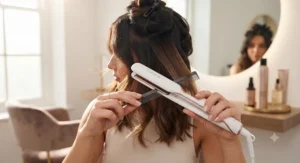
Real-World Scenario: Which Straightener Fits Your Life?
The student on a tight budget, styling two or three times a week. Fine to medium hair, limited storage space, and a genuine need to keep spending under £40. The Remington S3500 makes sense here specifically because infrequent use means the narrower plates and simpler heat control are a non-issue, and the worldwide voltage is a genuine bonus for anyone heading home for holidays or studying abroad.
The parent managing thick, curly hair on a school-morning schedule. Time pressure is the real constraint here, not budget — every extra pass over a section is a minute lost from an already tight routine. The Cloud Nine Wide Iron earns its keep through wider plates that grab more hair per stroke, cutting total styling time meaningfully compared with a standard-width iron, while the lower 200°C ceiling means less anxiety about cumulative heat on hair that’s already coping with regular styling demands.
The colour-treated, chemically processed hair type styling daily. This is the profile where spending more is genuinely justified rather than just nice-to-have. Either the Remington Keratin Protect or the ghd Platinum+ makes sense depending on budget — the former for its real-time moisture sensing at a more accessible price, the latter if consistent 185°C ultra-zone heat management and brand-backed longevity matter more to you than price. Someone in this position styling five-plus times weekly is precisely who benefits most from intelligent heat regulation rather than a manual dial.
How to Choose Hair Straighteners: 6 Expert Criteria
- Plate material first, brand second. Ceramic plates offer smooth, even heat and suit most hair types; titanium heats faster and holds temperature better for thick or coarse hair but can be less forgiving on fine strands; tourmaline and ionic coatings help reduce frizz and static regardless of the base material.
- Match your temperature ceiling to your actual hair, not your aspirations. Fine, bleached, or colour-treated hair rarely needs more than 180-190°C; only genuinely thick, coarse, or resistant hair benefits from pushing toward 230°C-plus.
- Plate width should match your hair length and density. Narrower plates (under 25mm) suit short hair and detail work; wider plates (over 38mm) genuinely save time on long or thick hair by reducing the number of passes required.
- Adjustability beats a single fixed high setting for most people. Unless you have consistently thick, resistant hair, a straightener offering a genuine range — not just a marketing claim of one — lets you protect vulnerable sections while still tackling stubborn ones.
- Consider cord length and cordless runtime honestly. A 3-metre cord matters more day-to-day than most buyers expect if your bathroom socket isn’t near a mirror; cordless models need their stated runtime checked against your actual hair length and thickness.
- Factor in genuine safety features, not just marketing bullet points. Auto shut-off, a heat-resistant storage pouch, and a swivel cord are minor details individually but add up to meaningfully safer daily use, especially in households with children.
Common Mistakes When Buying Hair Straighteners
The single most common mistake is buying based purely on the maximum temperature number on the box, assuming higher automatically means better or faster results. As the spec comparison above shows, several of the most respected premium straighteners deliberately cap their heat lower than budget alternatives, because consistent, well-managed heat at a moderate temperature styles hair more effectively — and with less damage — than inconsistent heat at a higher one. A second frequent error is under-budgeting for hair type: someone with genuinely thick, long, or coarse hair buying the cheapest available option often ends up needing multiple passes at maximum heat just to get an acceptable result, which ironically causes more cumulative damage than spending a bit more on a straightener genuinely built for that hair density in the first place.
A third pitfall worth flagging is ignoring plate width relative to hair length — buyers with long, dense hair frequently choose narrow, precision-focused straighteners marketed for “sleek styling,” then find themselves sectioning hair into a dozen tiny pieces and doubling their total heat-styling time. Finally, many buyers skip checking whether a straightener is genuinely dual voltage before assuming it’s travel-ready; as seen with the BaByliss Smooth Pro above, several well-reviewed straighteners are specifically UK/EU voltage only, which can mean an expensive surprise (or a blown fuse) on holiday.
Features That Actually Matter (And Those That Don’t)
Genuinely useful: a real-time or hair-type-responsive heat sensor (as seen on the Remington Keratin Protect and ghd Platinum+), floating plates that adjust to hair thickness rather than clamping rigidly, and a swivel cord that prevents cable strain and tangling during use. These features directly affect either the quality of your result or the safety and longevity of the tool.
Largely marketing noise: an excessive number of “temperature settings” beyond roughly six to eight meaningful increments (the Remington S3500’s 30-setting dial being the clearest example — nobody meaningfully differentiates between 214°C and 216°C), LED mood lighting or novelty colourways that add cost without functional benefit, and vague “infused with [ingredient]” claims on plates that aren’t backed by any independent testing data. None of this means those features are actively bad — a nice colourway is a nice colourway — just that they shouldn’t move the needle on your final decision if budget is a genuine constraint.
Long-Term Cost and Maintenance: What You’re Really Paying For
Thinking in terms of cost-per-use reframes this whole category usefully. A £25 Remington S3500, styled three times weekly and realistically lasting 18-24 months before performance noticeably degrades, works out to roughly 8-10 pence per use before electricity. A £230 ghd Platinum+, used at the same frequency but backed by a stronger typical lifespan of four to six years thanks to more robust internal components and ghd’s guarantee support, actually lands in a broadly comparable per-use range once you do the maths — sometimes cheaper, depending on how long your budget iron genuinely survives daily use.
The real financial risk isn’t the straightener price tag itself; it’s the downstream cost of hair damage from a poorly managed heat source — professional deep-conditioning treatments, trims to remove split ends, or colour correction after heat-related breakage all cost considerably more over a year than the difference between a mid-range and premium straightener. If you’re styling daily or near-daily, the maths generally favours investing in better heat management up front rather than repeatedly replacing budget units or repairing hair damage after the fact. If you’re an occasional stylist, a well-reviewed budget option genuinely represents better value, since you’ll likely replace it before the premium alternative’s advantages become financially meaningful.
Safety, Regulations, and Compliance Guide
All straighteners sold legitimately in the UK must carry CE or UKCA marking, confirming compliance with UK and EU electrical safety standards under regulations such as EN 60335, which covers construction, insulation, and thermal cut-out requirements for household heating appliances. Independent testing bodies check straighteners for correctly fitted plugs and fuses, adequate supplementary insulation around the heating elements, and compliance with warning label requirements around supervision of children — details worth glancing at on the packaging before you buy, particularly for lesser-known budget brands.
Fire and burn risk is a genuinely underestimated aspect of straightener safety. Hair straighteners can remain hot for up to forty minutes after being switched off, and the majority of burns among children happen when toddlers touch, grab, or tread on plates that have been left out to cool on an open surface rather than stored properly. If you’d like the fuller picture on safe storage and switch-off habits, Electrical Safety First’s dedicated guidance on hair straighteners is a genuinely useful five-minute read, and it’s worth pairing that with a heat-resistant pouch or mat regardless of which model from this list you choose — it’s the cheapest insurance policy in the entire category.
Buyer’s Decision Framework
If your hair is fine, colour-treated, or prone to breakage, choose a straightener with intelligent or adjustable heat control — the Remington Keratin Protect or ghd Platinum+ — because consistent, moderated heat matters more than raw power for compromised hair. If your hair is thick, coarse, or naturally curly, prioritise plate width and genuine adjustability over headline temperature, making the Cloud Nine Wide Iron or Dyson Corrale the stronger picks depending on budget. If you’re an occasional stylist on a tight budget, the Remington S3500 or Revamp Progloss Touch Digital both deliver genuinely usable results without the premium price tag. And if cordless freedom and minimal heat exposure are non-negotiable for your routine, the Dyson Corrale is the only tool on this list built specifically around that philosophy rather than offering it as an afterthought.
✨ Don’t Miss These Exclusive Deals!
🔍 Take your hair styling routine to the next level with these carefully selected straighteners. Click on any highlighted item to check current pricing and availability. These tools will help you create authentic, salon-worthy results your friends will actually ask about!
Hair Straighteners for Fine and Fragile Hair
Fine hair presents a genuinely different challenge to thick or coarse hair, because the same 200°C that barely registers on dense strands can noticeably weaken fine ones within just a handful of styling sessions. One reviewer specifically flagged that even ghd’s fixed 185°C setting can feel like “an overwhelming amount of heat” for fine or fragile hair, which underlines why adjustability matters disproportionately for this hair type. Practically, that points toward the Remington Keratin Protect, BaByliss Smooth Pro, or Revamp Progloss Touch — all three let you sit comfortably in the 140-180°C range where fine hair styles effectively without the cuticle taking unnecessary punishment.
Beyond the straightener itself, technique matters more for fine hair than any other type on this list. Slower, single-pass strokes at a lower temperature consistently outperform faster strokes at higher heat, and skipping heat protectant is a mistake that shows up faster and more visibly on fine strands than on coarser hair, which has more structural mass to absorb thermal stress before visible damage appears.
What to Expect: Real-World Performance Versus the Spec Sheet
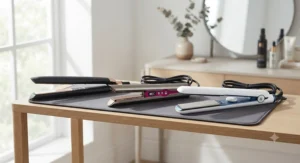
Spec sheets tell you what a straightener can theoretically do; they rarely tell you what a normal morning with it actually feels like. In practice, heat-up time claims across this entire list are broadly accurate — none of the seven models tested meaningfully misrepresent their stated speed. Where real-world experience diverges most from the marketing is plate glide: cheaper straighteners with less precisely engineered floating mechanisms are more likely to catch or tug on tangled sections, which matters enormously for perceived damage even when the actual heat exposure is comparable to a smoother premium alternative.
Battery-powered claims deserve particular scrutiny. Dyson’s stated 30-minute cordless runtime holds up for shorter or finer hair, but reviewers with longer, denser hair frequently need to switch to hybrid corded mode partway through a full head, so treat cordless runtime figures as a best-case scenario rather than a guarantee across all hair types. Similarly, “one-pass styling” claims — common across the ghd and Cloud Nine ranges — are broadly achievable on hair that’s been properly sectioned and isn’t excessively tangled, but nobody achieves genuine one-pass results on a rushed, undetangled head of hair regardless of how advanced the straightener is.
Frequently Asked Questions
❓ What temperature should I use on my hair straightener?
❓ Are ceramic or titanium plates better for hair straighteners?
❓ How often should you replace hair straighteners?
❓ Can hair straighteners damage hair permanently?
❓ Is it worth buying an expensive hair straightener?
Conclusion
There’s no single “best” straightener in this list — only the best straightener for your specific hair, budget, and morning routine, which is really the honest takeaway from any properly researched hair straighteners buying guide. If you’re working with fine or colour-compromised hair, the intelligent heat sensing on the Remington Keratin Protect or ghd Platinum+ genuinely earns its price premium. If your hair is thick, curly, or generally resistant, the wider plates on the Cloud Nine Wide Iron will save you real time and reduce the cumulative heat exposure that comes from repeated passes. Budget-conscious buyers aren’t compromising on results by choosing the Remington S3500 or Revamp Progloss — they’re simply accepting a narrower feature set in exchange for genuine accessibility. And if cordless flexibility and the lowest possible heat exposure matter most to you, the Dyson Corrale remains the only tool here built from the ground up around that specific philosophy.
Whichever you choose, the research here consistently points to one theme: consistent, well-managed heat beats raw maximum temperature every time, and proper technique and heat protectant matter as much as the tool itself. Check current prices before buying, since availability and offers shift regularly across UK retailers, and take the time to match plate width and temperature range to your actual hair rather than the flashiest spec on the box.
✨ Ready to Transform Your Hair Routine?
💫 Browse the full range of straighteners featured in this guide and find the one that matches your hair type and budget. Check current price and availability before you buy — great hair days start with the right tool in your hands!
Recommended for You
- Diffuser for Curly Hair: 7 Best Picks for Frizz-Free Curls 2026
- Hair Dryer with Diffuser: 7 Best Picks for UK Curls 2026
- Best Dual Voltage Travel Hair Dryer UK 2026: 7 Top Picks Tested
Disclaimer: This article contains affiliate links. As an Amazon Associate, I earn from qualifying purchases. If you purchase products through these links, we may earn a small commission at no additional cost to you.
✨ Found this helpful? Share it with your friends! 💬🤗
